

When Does Implantation Happen After IUI? Here’s the Timeline
Waiting after an IUI procedure can feel like the longest days of your life. Many people ask the same important question during this time: When does implantation occur after IUI? Understanding the timeline can help ease anxiety and set realistic expectations during the two-week wait.
Implantation does not happen immediately after IUI, and symptoms are not always obvious. Everybody is different, and timing can vary from person to person. In this guide, we will walk you through what implantation is, when it usually happens after IUI, what symptoms you may notice, and when it makes sense to take a pregnancy test.
Understanding IUI and Implantation
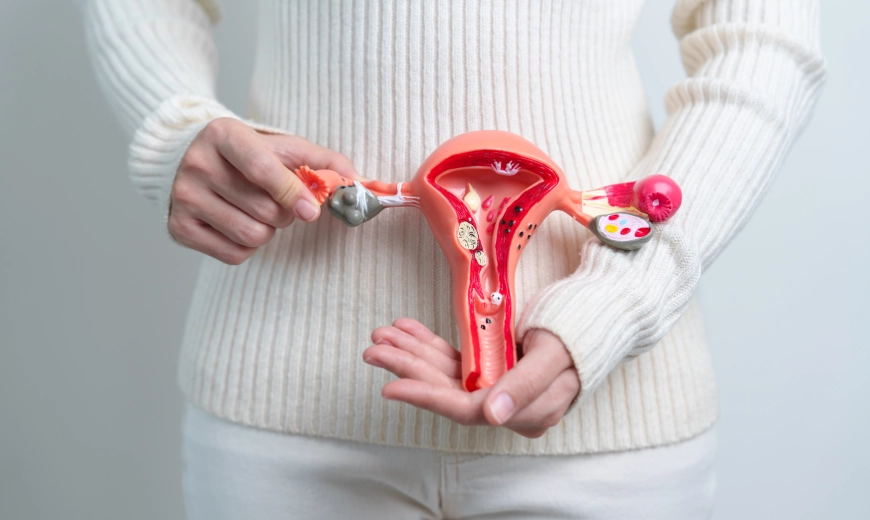
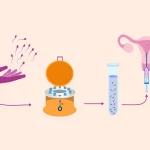
IUI, or intrauterine insemination, is a fertility treatment where prepared sperm is placed directly into the uterus around the time of ovulation. This helps sperm reach the egg more easily and increases the chance of fertilization.
Implantation is the next critical step after fertilization. Without implantation, pregnancy cannot begin.
What Is Implantation?
Implantation happens when a fertilized egg, now called an embryo, attaches itself to the lining of the uterus. Once the embryo implants, the body begins producing the hormone hCG, which pregnancy tests detect.
Until implantation occurs, there is no way to confirm pregnancy.
When Does Implantation Typically Occur After IUI?
In most cases, implantation occurs between 6 and 10 days after ovulation, which usually aligns closely with the IUI procedure. Some people implant slightly earlier or later, but this is the most common window.
Because IUI is carefully timed around ovulation, the implantation timeline after IUI is similar to natural conception.
Average Implantation Timeline
- Fertilization usually occurs within 12 to 24 hours after ovulation
- The embryo then travels through the fallopian tube for several days
- Implantation most often happens between days 6 and 10 after ovulation
Late implantation, around days 10 to 12, can still result in a healthy pregnancy.
Implantation Timeline After IUI: Day by Day
Understanding what your body is doing each day can help make the waiting period less stressful.
Days 1–3 After IUI
During these first few days, fertilization may occur if sperm meets the egg. If fertilization happens, the embryo begins dividing into multiple cells.
You likely will not feel any symptoms during this stage.
Days 4–6 After IUI
The embryo continues developing and moves toward the uterus. It is not yet attached to the uterine lining, so pregnancy hormones are not being produced.
Symptoms during this time are usually related to progesterone or ovulation medications rather than implantation.
Days 6–10 After IUI
This is the most common implantation window. The embryo attaches to the uterine lining and begins releasing hCG into the bloodstream.
Some people notice mild symptoms during this phase, while others feel nothing at all.
Days 10–12 After IUI
Implantation can still happen during this later window. If implantation occurs late, pregnancy tests may not turn positive until several days later.
Late implantation does not always mean lower chances of success.
Signs and Symptoms of Implantation After IUI
Implantation symptoms can be subtle, and many people do not experience noticeable changes.
Possible Implantation Symptoms
- Light spotting or pink or brown discharge
- Mild cramping that feels different from period cramps
- Increased fatigue
- Breast tenderness
- A feeling of warmth or bloating
These symptoms are not guaranteed signs of pregnancy.
Symptoms That Are Often Misinterpreted
Progesterone supplements and fertility medications can cause symptoms similar to early pregnancy, such as bloating, sore breasts, and mood changes. PMS symptoms can also feel very similar.
This is why symptoms alone are not a reliable way to confirm implantation.
Can Implantation Happen Earlier or Later Than Expected?
Yes. Implantation timing varies based on embryo development, hormone levels, and uterine lining quality.
Early implantation may happen around day 5 or 6, while late implantation can occur around day 10 to 12. Both can still lead to healthy pregnancies.
How Implantation Timing Affects Pregnancy Testing
Taking a pregnancy test too early is one of the biggest sources of frustration after IUI.
When hCG Starts to Rise
hCG is only released after implantation. It takes several days for hCG levels to rise high enough to show up on a pregnancy test.
Testing before implantation will always give a negative result.
Best Time to Take a Pregnancy Test After IUI
Most fertility clinics recommend testing 12 to 14 days after IUI. Blood tests ordered by your clinic are more accurate than early home tests.
What If Implantation Does Not Occur After IUI?
Not every IUI cycle leads to implantation. This does not mean something is wrong or that future cycles will fail.
Many people need multiple IUI cycles before achieving pregnancy. Each cycle provides valuable information that can improve future treatment plans.
Factors That Can Affect Implantation After IUI
Implantation is a delicate process that depends on many parts of the body working together at the right time. Even when fertilization happens, implantation may not occur if the conditions are not ideal. Understanding these factors can help explain why IUI success can vary from cycle to cycle.
Your fertility team carefully monitors many of these elements to improve your chances and adjust treatment when needed.
Age and Egg Quality
Age plays an important role in egg quality. As we get older, the number and quality of eggs naturally decrease. Higher quality eggs are more likely to fertilize correctly and develop into healthy embryos that can implant successfully.
This does not mean pregnancy is impossible at an older age. It simply means clinics may recommend additional support, monitoring, or treatments to improve implantation chances.
Sperm Health and Motility
Healthy sperm is just as important as healthy eggs. Sperm motility, which refers to how well sperm move, affects whether fertilization occurs and whether the resulting embryo is strong enough to implant.
During IUI, sperm are washed and prepared to select the healthiest sperm possible. This step improves fertilization chances and supports better embryo development.
Uterine Lining Thickness
The uterine lining acts like a soft cushion where the embryo implants. If the lining is too thin or not receptive enough, implantation may be difficult even if fertilization happens.
Fertility clinics monitor lining thickness through ultrasound and may adjust medications or timing to support a healthier lining before IUI.
Hormone Balance
Hormones guide every step of the fertility process. Progesterone is especially important after ovulation because it helps prepare and maintain the uterine lining for implantation.
Hormone imbalances can interfere with implantation timing or make it harder for the embryo to attach. This is why hormone levels are often closely monitored during IUI cycles.
Overall Health and Stress Levels
Your overall health can influence implantation more than many people realize. Nutrition, sleep, chronic illness, and lifestyle habits all play a role in hormone regulation and uterine health.
Stress does not automatically prevent implantation, but high stress levels can affect hormone balance and overall well-being. Many clinics encourage stress management, gentle movement, and emotional support during treatment.
Your fertility team does not leave implantation to chance. They track ovulation timing, monitor hormone levels, check uterine lining development, and adjust treatment plans as needed.
By addressing these factors together, clinics work to create the best possible environment for implantation and early pregnancy.
How The Bridge Clinic Supports Implantation Success
At The Bridge Clinic, IUI treatment is carefully personalized. Our team monitors ovulation timing, hormone levels, and uterine lining to support implantation.
We provide clear guidance, emotional support, and follow-up care throughout the waiting period, so you are never left guessing.
Frequently Asked Questions About Implantation After IUI
Can implantation happen without symptoms?
Yes. Many healthy pregnancies occur with no noticeable implantation symptoms.
Is cramping always implantation?
No. Cramping can be caused by progesterone, ovulation, or normal cycle changes.
Does late implantation reduce success?
Not always. Late implantation can still lead to a successful pregnancy.
Can stress delay implantation?
Stress does not directly prevent implantation, but managing stress can support overall health.
Final Thoughts
Implantation after IUI usually occurs between 6 and 10 days after ovulation, but every journey is unique. Symptoms may or may not appear, and the best confirmation comes from proper testing at the right time.
Patience during the two-week wait is challenging, but understanding the process can help bring peace of mind.
Ready for Expert IUI Support?
If you are considering IUI or are currently in treatment, The Bridge Clinic’s IUI Services are here to support you every step of the way. Our compassionate team provides personalized care designed to give you the best possible chance of success. Get in touch with our experts today!
Follow us on our social media channels below:
Explore our related articles below: