


How Soon Can Conception Happen After IUI?
If you are planning or have recently completed an Intrauterine Insemination (IUI) procedure, one of the biggest questions on your mind is likely: When Does Conception Occur After IUI? This is one of the most common questions fertility specialists hear because the time after insemination can feel long, emotional, and full of uncertainty.
It is completely normal to analyze every cramp, every twinge, and every change in your body during the two-week wait. Many patients worry that they are not feeling enough symptoms, or they worry they are feeling too many. Understanding how soon fertilization and implantation can happen after IUI can help you stay grounded and feel more confident during this waiting period.
This guide explains the complete conception timeline after IUI, what your body is doing during each stage, what symptoms are normal, when to test, and when to contact your doctor.
What Happens During IUI? A Quick Explanation

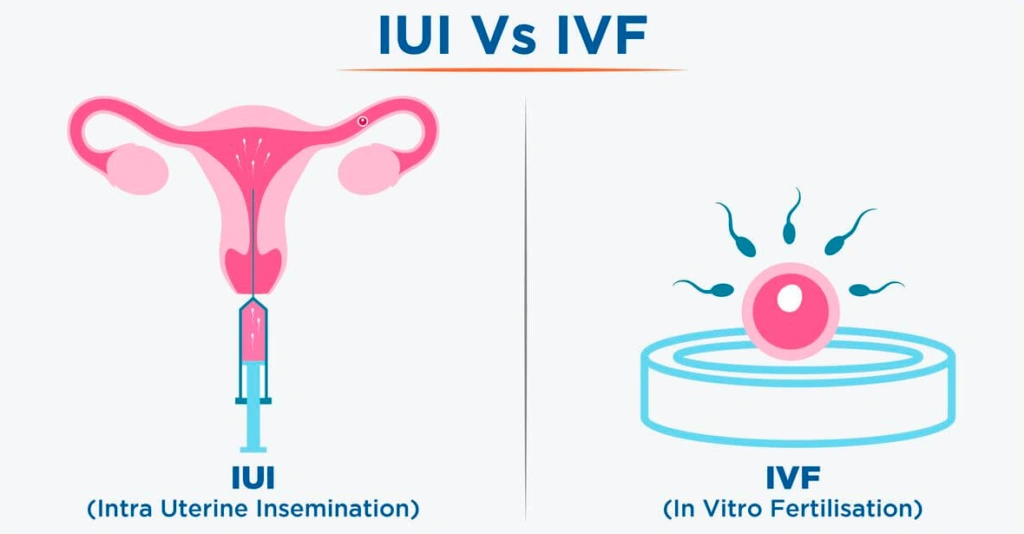
IUI is a simple fertility procedure where washed, concentrated sperm are placed directly into the uterus using a thin catheter. This shortens the distance sperm need to travel and increases the chance of meeting the egg.
Most IUIs are performed:
- on the day of ovulation or the day after;
- after monitoring follicles through ultrasound;
- with or without a trigger shot to help time ovulation;
- using partner sperm or donor sperm.
The goal of IUI is to bring more healthy sperm closer to the egg at exactly the right moment.
But even after a perfectly timed IUI, conception depends on natural processes that unfold over several days. That is why understanding the timeline helps reduce anxiety.
How Soon Can Conception Happen After IUI?
The timing of conception after IUI depends primarily on when ovulation happens.
Here is the simplified breakdown:
If ovulation happens before or during IUI:
Conception can happen within hours.
If ovulation happens after IUI:
Conception can happen within 24 to 72 hours.
Why the window is wide:
- Sperm can survive up to 5 days inside the reproductive tract
- The egg survives 12 to 24 hours after release
- Every person’s ovulation timing is slightly different
- Trigger shots release the egg in a predictable 36-hour window, but natural cycles vary
Most commonly, conception after IUI happens within 24–48 hours. But for some patients, conception may occur slightly earlier or slightly later, depending on ovulation timing.
Understanding the Conception Timeline After IUI
To understand conception timing, it helps to understand what your body is doing.
1. Ovulation
Ovulation is when the ovary releases a mature egg. The egg travels into the fallopian tube, where fertilization happens.
If IUI is well timed, sperm will already be waiting when the egg is released.
2. Fertilization
Fertilization happens in the fallopian tube, not in the uterus. The moment a sperm successfully enters the egg, conception begins.
Fertilization typically occurs within a few hours to 24 hours after ovulation.
3. Early Embryo Development
After fertilization, the embryo divides into multiple cells over several days.
4. Implantation
Implantation happens when the embryo attaches to the uterine lining. This is when pregnancy officially begins.
Implantation usually happens 6 to 10 days after conception.
5. Rising Pregnancy Hormones
The embryo produces the hormone hCG, which is what pregnancy tests detect.
Levels rise slowly in the beginning, which is why testing too early can give incorrect results.
Day-by-Day What Happens After IUI (Fully Expanded)
Here is a more detailed breakdown of what your body may be doing each day.
Day-by-Day Timeline Table
| Day After IUI | What Is Happening in the Body | How You Might Feel |
| Day 1 | Sperm begin swimming toward the fallopian tube | Mild cramps or spotting |
| Day 2 | Fertilization may occur if ovulation has happened | Bloating or pressure from hormones |
| Day 3 | Fertilized egg divides into 2–4 cells | Usually no symptoms |
| Day 4 | Embryo becomes 4–8 cells | No symptoms expected |
| Day 5 | Embryo becomes a morula and enters the uterus | Still no noticeable symptoms |
| Day 6 | Embryo becomes a blastocyst | PMS-like sensations may begin |
| Day 7 | Implantation may begin | Light spotting, mild cramps |
| Day 8 | Implantation window continues | Breast tenderness, bloating |
| Day 9 | Implantation is likely for many patients | Fatigue or nausea may appear |
| Day 10 | hCG may begin rising | Early pregnancy symptoms are possible |
| Day 11 | Body begins adjusting to hormones | Same symptoms as PMS |
| Day 12 | hCG continues rising if pregnant | Testing may still be too early |
| Day 13 | Pregnancy hormone is detectable by most tests | Accurate home test is possible |
| Day 14 | Ideal day for testing | Time for a pregnancy test |
Early Signs of Conception May Have Happened
Remember: symptoms vary. Some people feel many signs, others feel nothing at all.
1. Cramping
Light cramping can happen:
- During ovulation.
- During implantation.
- From progesterone.
- From the IUI catheter.
2. Spotting
Implantation bleeding typically:
- is light;
- is pink or brown colored;
- lasts a few hours or a day;
- occurs around Days 7 to 10.
3. Breast Soreness
Progesterone increases after ovulation, whether or not you are pregnant, so this symptom is not a guarantee.
4. Fatigue
Your body may feel more tired due to:
- Progesterone.
- Early pregnancy.
- Stress.
- Medications.
5. Bloating
Hormonal changes and ovarian stimulation can cause noticeable swelling.
6. Emotional Sensitivity
Mood changes do not confirm pregnancy; they are common during the luteal phase.
7. No Symptoms
This is also completely normal.
Many women who conceive experience no early signs at all.
When Does Implantation Happen After IUI?
Implantation timing depends on when fertilization occurs, but after an IUI cycle:
Most patients implant between Days 7 and 12 after the procedure.
You may notice:
- light cramping;
- slight spotting;
- a tight feeling in the lower abdomen;
- temporary fatigue; or
- no symptoms at all
Implantation is a microscopic process, meaning your body may give no outward signs.
Factors That Affect Conception Timing After IUI
1. Ovulation Timing
If ovulation is late, conception will be late.
2. Trigger Shot
Trigger shots help predict egg release, increasing the accuracy of IUI timing.
3. Sperm Health
Higher motility means sperm reach the egg faster.
4. Female Age
As age increases, fertilization and implantation may take longer or be less consistent.
5. Uterine Lining
A thin lining makes implantation more difficult.
6. Type of Cycle
Medicated cycles help control ovulation better than natural cycles.
7. Underlying Conditions
PCOS, endometriosis, or hormonal imbalances can impact timing.
When Should You Take a Pregnancy Test?
The ideal time to test is:
14 days after IUI.
Why not earlier?
- Trigger shots may still be in your system.
- Early pregnancy tests may show false negatives.
- Implantation may not be complete yet.
Blood test vs home test:
- Blood tests detect even low hCG.
- Home tests are reliable at day 14 but not earlier.
If your home test is unclear, wait 48 hours and test again.
What Not to Do While Waiting
To protect your chances:
- Avoid alcohol and smoking.
- Avoid heavy lifting.
- Avoid high-intensity workouts.
- Avoid long, hot baths.
- Do not take unapproved medications.
- Avoid constant early testing.
This period is emotionally challenging, so self-care is essential.
When to Call Your Doctor
Contact your clinic if you have any of the following symptoms:
- Severe abdominal pain.
- Heavy bleeding.
- Fever.
- Rapid weight gain.
- Shortness of breath.
- Signs of ovarian hyperstimulation syndrome (OHSS).
- No period by Day 17, even after a negative test.
IUI Support at The Bridge Clinic
The Bridge Clinic is committed to supporting you throughout your IUI journey. Our fertility team offers:
- ultrasound monitoring;
- hormone tracking;
- perfectly timed inseminations;
- follow-up care after the procedure;
- compassionate support during the two-week wait; and
- personalized next step planning.
You are never alone on your journey.
Final Thoughts
So, how soon can conception happen after IUI?
For most patients, fertilization occurs within 24 to 72 hours after the procedure. Implantation then takes place a week later. The two-week wait can feel long, but it is simply because your body needs time to complete each step of early pregnancy.
Whether you feel symptoms or none at all, your body may be working exactly as it should. What matters most is patience, self-care, and staying connected with your fertility team.
If you are considering IUI or want expert support through your fertility journey, The Bridge Clinic is here to help. To schedule a consultation or learn more about treatment options, simply contact us today.
Follow us on our social media channels below:
Explore our related articles below:


