


How to Get a Male Fertility Check: What Every Man Should Know
When couples have difficulty conceiving, or when a man simply wants to understand his reproductive health, one of the first questions that comes up is: What Options exist for Male Reproductive Checks? Although male fertility plays an equal role in conception, many men are unsure about how fertility testing works or when they should get checked.
The truth is that male fertility testing is straightforward, private, and extremely helpful. For many couples, a simple test provides clarity after months of uncertainty. For others, it offers reassurance and useful information for future family planning. Whether you are trying to conceive now or planning ahead, understanding the available options is an important first step.
This guide explains everything you need to know about male fertility checks, including the tests involved, what they reveal, and what happens next.
What Is a Male Fertility Check?
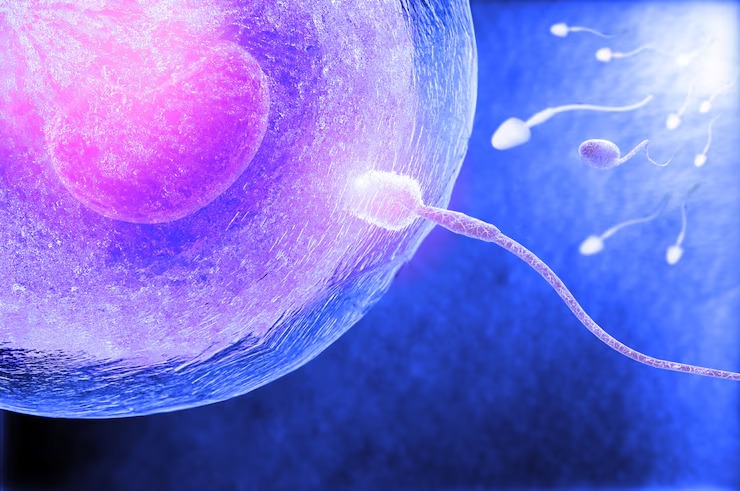
A male fertility check is a series of tests that evaluate a man’s ability to conceive. These tests look at sperm health, reproductive hormones, and the physical structure of the male reproductive system. Together, they give a complete picture of fertility status.
Because infertility is shared between both partners, a fertility assessment for men is just as important as testing for women. In many cases, male testing is quicker and less invasive, which makes it a useful starting point.
Why Should Men Consider Fertility Testing?
Many men do not think about their fertility until they start trying for a baby. But early testing can save time, reduce stress, and help doctors recommend the most effective treatment.
You should consider a fertility evaluation if:
- You and your partner have tried to conceive for 6 to 12 months without success.
- You have a history of testicular injury, infections, or surgeries.
- You have irregular sexual function or low libido.
- You have a family history of genetic disorders.
- You have lifestyle factors that could reduce fertility, such as smoking or heavy alcohol use.
- You want to evaluate your fertility before marriage or before trying for a baby in the future.
- You are considering freezing sperm for long-term preservation.
Even if you have no symptoms, a fertility check can give you confidence and help you plan your next steps.
Common Options for Male Reproductive Checks
Each test reveals different information about your reproductive health. Most men only need one or two of these tests, while others may require a more detailed assessment.
Here are the most common options.
1. Semen Analysis
A semen analysis is the foundation of male fertility testing. It is simple, quick, and provides the most important information about your reproductive health.
What the test checks:
- Sperm count: Total number of sperm in the sample.
- Motility: How well the sperm move. Healthy sperm need strong movement to reach the egg.
- Morphology: The shape and structure of sperm. An abnormal shape can affect fertilization.
- Volume: Amount of semen produced.
- pH and viscosity: These can affect sperm performance.
What to expect
You provide a semen sample, usually through masturbation, in a private room at the clinic. Some clinics allow home collection if the sample arrives quickly. In most cases, doctors recommend two or three tests because sperm quality naturally changes over time.
Why semen analysis matters
It gives clear information about whether sperm quality may affect conception and helps guide doctors toward the most effective treatment.
2. Hormone Testing
Hormones control sperm production, sexual function, and the ability to ejaculate normally. If sperm results are low or if you have symptoms like low energy or reduced libido, hormone testing is recommended.
Key hormones tested:
- Testosterone: Important for sperm production and sexual health.
- FSH (Follicle Stimulating Hormone): Signals the testicles to produce sperm.
- LH (Luteinizing Hormone): Controls testosterone release.
- Prolactin: High levels may reduce fertility and sex drive.
- Thyroid hormones: Thyroid problems can affect metabolism and reproductive function.
Hormone testing involves a simple blood draw and gives important clues about underlying medical issues that affect fertility.
3. Scrotal Ultrasound
This test uses sound waves to create images of the testicles and surrounding tissues. It is painless and non-invasive.
What it checks:
- Varicoceles (enlarged veins that affect sperm production)
- Blockages in the reproductive tract
- Tumors, cysts, or anatomical abnormalities
- Inflammation or infection
Scrotal ultrasound is usually done when semen analysis results are abnormal or when a man has pain, swelling, or visible changes in the testicles.
4. Genetic Testing for Male Infertility
Genetic issues can affect sperm production, especially in men with very low sperm count or no sperm (azoospermia).
Genetic tests may check for:
- Y chromosome microdeletions: Missing genetic material that affects sperm production.
- Karyotype abnormalities: For example, Klinefelter syndrome (extra X chromosome).
- Cystic fibrosis gene mutations: Can cause absence of the vas deferens.
Genetic testing helps determine the best fertility treatments and whether certain conditions could affect future children.
5. Sperm DNA Fragmentation Test
Even when sperm looks normal under the microscope, DNA inside the sperm may be damaged. DNA fragmentation testing measures how healthy the sperm’s genetic material is.
High DNA fragmentation can:
- Reduce the chances of natural conception;
- Increase risk of miscarriage; and
- Lower IVF success rates.
This test is most useful for:
- Couples with repeated IVF or ICSI failure;
- Men over 40;
- Men with a history of exposure to toxins, heat, or smoking; and
- Couples with unexplained infertility.
6. Infection Screening
Infections can reduce sperm movement and damage reproductive tissues. Some infections do not cause symptoms, so testing is important.
Doctors may test for:
- STIs such as chlamydia and gonorrhea.
- Urinary infections.
- Prostate or seminal infections.
Treating infections early often restores normal fertility.
7. Post-Ejaculation Urine Test
If there is very little semen during ejaculation, the doctor may check whether sperm is entering the bladder instead of exiting through the urethra. This condition is called retrograde ejaculation.
A urine sample taken after ejaculation can confirm the diagnosis.
8. Prostate and Testicular Examination
This quick exam checks for:
- Swelling;
- Lumps or masses;
- Blockages;
- Varicoceles; and
- Inflammation.
It takes only a few minutes and provides important information about reproductive health.
9. Lifestyle and Medical History Evaluation
During your consultation, your doctor will review lifestyle factors that strongly influence fertility.
They may ask about:
- Smoking or alcohol use;
- Weight and exercise habits;
- Sleep patterns;
- Stress levels;
- Medication or supplements;
- Exposure to chemicals or heat; and
- Past illnesses or surgeries.
Many cases of mild infertility improve significantly with lifestyle changes alone.
What Happens During a Male Fertility Appointment?
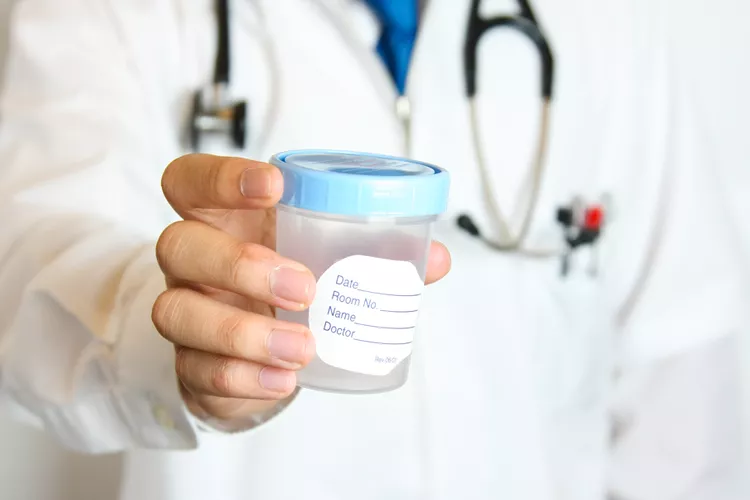
A typical appointment follows this sequence:
1. Initial consultation
You meet with a fertility specialist to discuss your concerns, history, and goals.
2. Medical and lifestyle review
Your doctor asks questions to identify risk factors or possible causes.
3. Physical exam (only if needed)
A brief exam may be done to check the testicles, veins, and surrounding structures.
4. Semen analysis
You provide a semen sample. This is the most important step.
5. Additional tests
Hormone tests, ultrasound, or genetic tests may be recommended depending on results.
6. Follow-up appointment
Your doctor reviews your results in detail and explains what they mean for your fertility.
How to Understand Your Results
Most test results fall into one of these categories:
Normal
This means sperm count, movement, and shape look healthy. If pregnancy has not occurred yet, doctors may explore timing, lifestyle, or female factors.
Mild abnormalities
Often fixed with simple treatments or lifestyle changes.
Moderate to severe abnormalities
You may need fertility treatments such as IUI, IVF, or ICSI.
Structural or genetic conditions
If blockages or genetic issues are found, your doctor will explain available treatment or assisted reproduction options.
Abnormal results do not mean you cannot have biological children. Many men with low sperm count or poor sperm movement still conceive with the right treatment.
Treatment Options if Issues Are Found
Depending on your results, treatment options may include:
Lifestyle improvements
- Stop smoking;
- Reduce alcohol;
- Exercise regularly;
- Improve diet; and
- Reduce heat exposure.
Medication
- Hormone therapy;
- Treatment of infections; and
- Medication to improve ejaculation.
Surgical options
- Varicocele repair; and
- Procedures to remove blockages.
Assisted reproductive technologies
- IUI.
- IVF.
- ICSI.
- Sperm retrieval procedures such as TESE or PESA.
Sperm freezing
Men planning future parenthood can store sperm safely for many years.
Why Early Male Fertility Testing Matters
Getting tested early:
- Saves months of uncertainty;
- Helps identify treatable issues;
- Prevents unnecessary testing for female partners;
- Improves overall chances of conception; and
- Supports long-term family planning.
Fertility declines for men, too, especially after age 40. Knowing your status sooner allows you to make informed decisions.
Male Fertility Testing at The Bridge Clinic
The Bridge Clinic provides comprehensive male fertility evaluation in Abuja, Lagos, and across Nigeria. Our services include:
- Advanced laboratory testing
- Experienced reproductive specialists
- Confidential semen analysis
- Hormone and genetic testing
- Personalized treatment plans
- Supportive counseling and guidance
Our goal is to give you answers, clarity, and a clear path forward.
Final Thoughts
Male fertility testing is simple, fast, and one of the most important steps you can take when planning for a baby. Whether you are experiencing challenges now or thinking about the future, these tests offer valuable insights that can guide your next steps.
If you are ready to take the next step towards understanding your fertility, The Bridge Clinic is here to help. To book your assessment or speak with a specialist, contact us today. We are committed to giving you the support and expertise you need on your path to parenthood.
Follow us on our social media channels below:
Explore our related articles below:


