

Wondering What Day Egg Collection Happens in IVF? Here’s the Answer
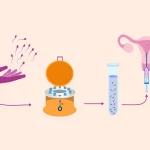
If you’re undergoing IVF, one of the most common questions you might ask is, “IVF — what day is egg collection?” The egg collection, also called egg retrieval, is one of the most important steps in the IVF process because it’s the moment when your mature eggs are collected for fertilization in the lab.
The exact day of egg collection varies from person to person, depending on how your body responds to fertility medications. However, for most patients, egg retrieval happens around day 12 to 14 of the IVF stimulation cycle.
Let’s explore how the timing works, what happens during the process, and what you can expect before, during, and after egg collection.
Understanding the IVF Timeline
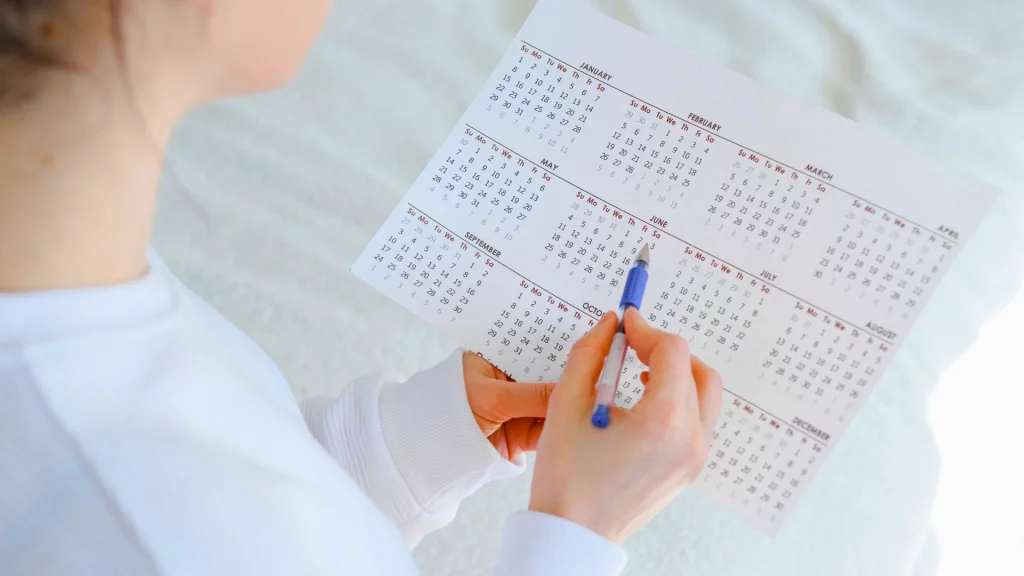
Before reaching the egg collection stage, your IVF journey begins with ovarian stimulation, a period where fertility medications encourage your ovaries to produce multiple mature eggs instead of the single egg released in a normal menstrual cycle.
The typical IVF timeline looks like this:
- Day 1–2: You start ovarian stimulation medications.
- Day 3–10: Your follicles (fluid-filled sacs that contain eggs) grow and are monitored through ultrasounds and blood tests.
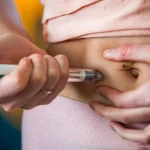
- Day 10–12: Once your follicles reach the right size (usually 17–20mm), your doctor schedules your trigger shot, an injection that helps eggs mature completely.
- 36 hours after the trigger shot: Egg collection (retrieval) takes place.
So, while every patient’s timing is slightly different, egg retrieval typically happens 12 to 14 days after starting IVF medications or about two weeks after your period begins.
How Doctors Determine the Right Day for Egg Collection
Your fertility team doesn’t choose the egg collection day randomly. It’s based on a careful assessment of how your body is responding to stimulation medications.
Your doctor will track several key indicators:
- Follicle size: Each mature follicle should measure around 18–20mm in diameter before retrieval.
- Estradiol (E2) levels: Rising hormone levels show that follicles are developing properly.
- Ultrasound scans: These reveal how many follicles are growing and how evenly they’re maturing.
When most follicles reach the ideal size, your doctor will schedule the trigger shot (commonly hCG or Lupron). The egg retrieval is then timed precisely 36 hours later, before your body releases the eggs naturally through ovulation.
This tight window ensures your eggs are collected at the perfect moment of maturity not too early, and not too late.
What Happens During Egg Collection?
The egg collection procedure is typically quick and painless, lasting about 15 to 30 minutes. Here’s what to expect:
- Sedation: You’ll receive light anesthesia or sedation to keep you comfortable.
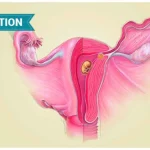
- Ultrasound-guided retrieval: A thin needle is inserted through the vaginal wall to collect eggs directly from each mature follicle.
- Collection: The fluid from each follicle is examined in the lab, where embryologists identify and collect your eggs.
- Recovery: You’ll rest for about 30–60 minutes afterward before heading home.
Most patients feel only mild cramping or bloating after the procedure, which usually resolves within a day or two.
How Many Eggs Are Typically Collected?
The number of eggs retrieved depends on several factors, including your age, ovarian reserve, and how your body responds to stimulation.
- Women under 35 may produce 10–20 mature eggs per cycle.
- Women over 35 may have fewer, typically 5–10 eggs.
Remember, quality matters more than quantity. Even a smaller number of healthy, mature eggs can lead to successful fertilization and pregnancy.
What Happens After Egg Collection?
Once your eggs are retrieved, the next steps happen in the lab:
- Fertilization: The eggs are combined with sperm (either through conventional insemination or ICSI) to create embryos.
- Embryo culture: Fertilized embryos are monitored for 3–5 days to assess their development.
- Embryo transfer: The healthiest embryo is selected and transferred into your uterus a few days later.
- Freezing (optional): Remaining viable embryos can be frozen for future cycles.
Your fertility team will also update you on how many eggs were collected, how many were fertilized successfully, and the next steps in your personalized IVF plan.
How to Prepare for Egg Collection Day
Preparation helps ensure everything goes smoothly on the big day. Here are some essential tips:
- Follow medication instructions carefully: Timing your trigger shot is critical; missing it by even a few hours can affect results.
- Avoid eating or drinking for 8 hours before the procedure: This is required if you’re receiving sedation.
- Arrange for someone to drive you home: You won’t be able to drive after anesthesia.
- Rest and hydrate: Drink plenty of water in the days leading up to retrieval to stay comfortable.
- Ask questions: Your doctor will explain what to expect and address any concerns.
Being well-prepared can ease nerves and help you focus on your IVF success.
What to Expect After the Procedure
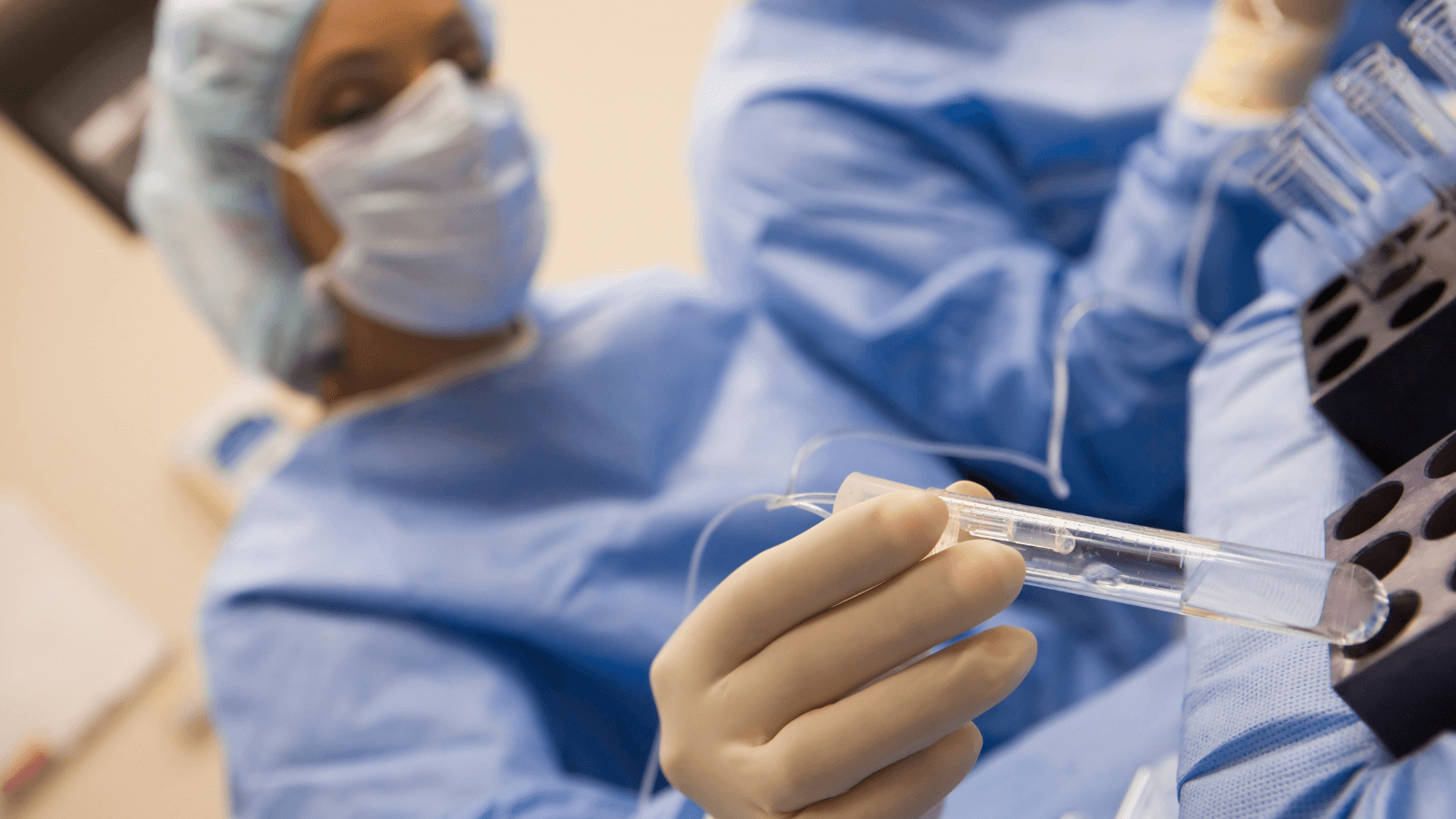
After egg collection, you may experience mild cramping, bloating, or spotting, which typically subsides in a day or two. Most people can return to normal activities within 24–48 hours.
Your doctor might recommend avoiding strenuous activity and intercourse for a few days. Continue following your medication plan, as you may need progesterone supplements to support your uterine lining for embryo transfer.
If you feel severe pain, fever, or excessive swelling, contact your clinic immediately. Although complications are rare, it’s important to stay cautious.
Does the Egg Collection Day Affect IVF Success?
Timing is critical in IVF. Retrieving eggs too early means they may not be mature enough; too late, and they may release naturally and be lost. That’s why your fertility specialist monitors you closely to determine the ideal retrieval window.
When eggs are collected at the right maturity, fertilization and embryo development rates are much higher. So while the exact day varies per person, precision timing ensures you get the best possible results from your IVF cycle.
Final Thoughts
If you’re wondering what day egg collection happens in IVF, the short answer is usually between day 12 and 14 of your stimulation cycle, roughly 36 hours after your trigger shot.
This carefully timed step is one of the most exciting parts of IVF, marking the moment when your eggs are ready to begin the fertilization process. With the right preparation, medical support, and mindset, you’re one step closer to growing your family.
At The Bridge Clinic, we guide you through every step of your IVF journey from hormone monitoring to egg retrieval and embryo transfer using the latest fertility technology and compassionate care.
Contact The Bridge Clinic today to schedule your IVF consultation and learn more about how our personalized approach can help you achieve your dream of parenthood.
Follow us on our social media channels below:
Explore our related articles below: