


How Long Can Sperm Stay Frozen for IVF? Storage Limits Explained
If you are preparing for IVF or thinking about preserving your fertility, you may be asking an important question: How Long Can Sperm Be Frozen for IVF? Many people assume sperm has a short storage window or loses its strength after a few years in a freezer. Thankfully, this is not true. Frozen sperm can remain usable for far longer than most people expect, and research continues to confirm that even sperm frozen decades ago can lead to a healthy pregnancy.
In this guide, we explain how sperm freezing works, how long it can realistically last, what affects frozen sperm quality, and how stored sperm fits into the IVF process. This information can help you make confident decisions as you plan your fertility journey.
What Is Sperm Freezing and How Does It Work?
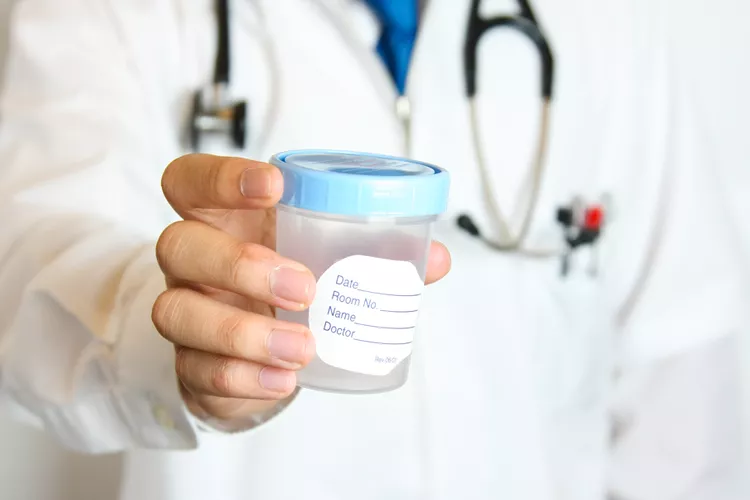
Sperm freezing, also known as cryopreservation, preserves sperm cells at extremely low temperatures so they can be used later for IVF or other fertility treatments. When sperm is placed in liquid nitrogen at around -196 degrees Celsius, all biological activity stops. This pause is what protects sperm from aging or breaking down.
Here is what usually happens during sperm freezing:
- Collection: A sperm sample is collected at the clinic. In some cases, surgical sperm retrieval may be used.
- Assessment: The embryology team examines the sample, checking sperm count, movement, and shape.
- Mixing with cryoprotectant: A special protective fluid is added to prevent ice crystals from forming inside the sperm cells.
- Freezing: The sample is placed into small vials and stored in liquid nitrogen tanks.
Once frozen, sperm enters a preserved state where it remains unchanged for as long as it stays at that temperature. This is why sperm can be stored for decades and still be used successfully.
How Long Can Sperm Be Frozen for IVF?
The simple answer is: Sperm can stay frozen indefinitely.
There is no known biological limit on how long frozen sperm remains viable. As long as it is kept at the correct temperature without interruption, frozen sperm does not age, weaken, or expire.
Scientific And Real-World Evidence
Research and clinical experience support this:
- Healthy pregnancies have resulted from sperm frozen for over 20 years.
- Some fertility clinics have reported successful births from sperm stored for 25 to 30 years.
- The freezing process stops all cellular activity, which prevents damage over time.
This means that the sperm is exactly as “young” the day it is thawed as it was the day it was frozen.
So, Why Do People Talk About Time Limits?
Most storage limits are legal or administrative, not scientific. Some countries allow storage for only 10 years unless you renew consent. Others allow lifetime storage. These limits have nothing to do with whether the sperm is usable.
Does Sperm Quality Decline the Longer It Is Frozen?
Once frozen, sperm quality does not decline at all. The freezing process puts sperm into a stable, suspended state. But it is important to understand the difference between:
- Quality before freezing, and
- Survival after thawing
What Affects Sperm Quality?
Factors such as natural sperm count, motility (movement), morphology (shape), infections, the age of the man, and exposure to toxins influence the sperm before freezing. Whatever condition the sperm is in at the time of freezing is the condition that is preserved.
What About Thawing?
Not all sperm survive thawing. This is normal. The average survival rate is between 40 and 60 percent. This does not mean the sperm becomes weaker over time. It simply reflects the freeze-thaw process.
Fortunately, even small amounts of surviving sperm can be used for IVF, especially with ICSI, where only one sperm is needed per egg.
Why Do People Freeze Sperm for IVF?
People choose to freeze sperm for many reasons, and it has become a standard part of fertility planning.
Common Reasons Include:
- Before Cancer Treatment
Chemotherapy and radiation can damage sperm. Freezing sperm beforehand protects future fertility.
- Before A Vasectomy
Some men freeze sperm in case they want biological children later.
- Age-related Planning
Sperm quality can decline slowly with age. Freezing younger sperm can be an advantage.
- Low Or Inconsistent Sperm Count
Men undergoing fertility treatment may freeze sperm on good days to ensure availability.
- Travel, Military Service, Or Work Schedules
Frozen sperm allows IVF to proceed even if the male partner cannot be present.
- Using Donor Sperm
Donor sperm is always stored frozen before use in IVF.
- Gender Affirming Treatments
Hormone therapy may affect sperm production, so freezing sperm beforehand preserves options.
- IVF Timing
Some couples prefer frozen sperm during IVF to avoid stress on the egg retrieval day.
Freezing sperm provides stability, reduces stress, and protects against unexpected medical changes.
How Sperm Freezing Supports the IVF Process
Using frozen sperm during IVF can simplify and strengthen the entire treatment plan.
1. Makes scheduling easier: IVF cycles require precise timing. With frozen sperm, you do not have to worry about producing a fresh sample on the exact day eggs are collected.
2. Reduces performance anxiety: Some people find it stressful to provide a sample on the spot. A frozen backup removes pressure.
3. Supports medical needs: If sperm count suddenly drops or a medical issue occurs, frozen sperm ensures the cycle can continue.
4. Allows embryo banking: Couples often freeze multiple embryos over several cycles. Frozen sperm makes this process smoother.
5. Works well with donor or long-distance arrangements: Frozen sperm can be shipped to clinics or stored until needed.
6. Reliable and consistent: Frozen sperm reduces uncertainty and offers predictable availability.
What Affects the Longevity of Frozen Sperm?
Frozen sperm can last forever, but only under the right conditions. Here are the factors that truly affect long-term preservation:
Temperature Stability
The sperm must remain at about negative 196 degrees Celsius. Any warming, even briefly, can damage sperm.
Proper Storage Tanks
Modern liquid nitrogen tanks are designed to maintain consistent temperatures.
Routine Monitoring
Tanks must be checked frequently to ensure levels remain stable.
Backup Systems
Clinics should have emergency tanks and power protection systems.
Handling Protocols
Only trained staff should access and manage storage vials.
Legal Renewal Policies
These do not affect sperm viability, but they do affect whether the clinic may keep your sample.
A well-managed sperm bank guarantees safe long-term storage.
Legal Time Limits vs Biological Time Limits
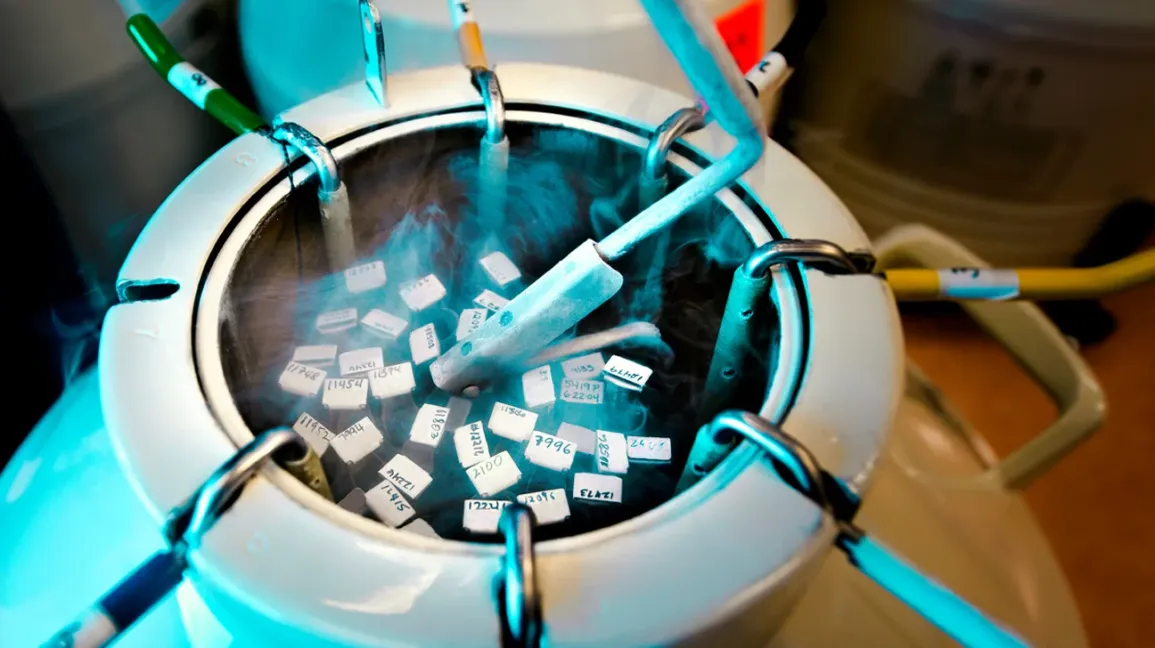
There is a big difference between how long sperm can biologically remain usable, and how long the law says it can stay stored.
Some countries or clinics limit storage to between 5 and 20 years. These are administrative rules and often have exceptions for medical cases.
Biological limits
There are none. As long as sperm does not thaw or warm, it stays preserved for a lifetime.
How Frozen Sperm Is Used in IVF
When it is time to use the sperm, the process is simple and carefully controlled.
Step 1: Thawing
The lab warms the sample gently to protect the cells.
Step 2: Sperm selection
Embryologists examine the sample and select the strongest, most motile sperm.
Step 3: Fertilization
The sperm is used in one of the following:
- ICSI (Intracytoplasmic Sperm Injection)
A single sperm is injected into each egg. This is the most common method for frozen sperm. - Conventional IVF
Eggs and sperm are placed together in a dish, and fertilization happens naturally.
Step 4: Embryo development
Fertilized eggs grow into embryos over 3 to 5 days.
Step 5: Transfer or freezing
The embryos are then used for transfer or stored for future cycles.
Frozen sperm works extremely well in all steps of this process.
Do Frozen Sperm IVF Cycles Have Good Success Rates?
Yes. IVF success rates using frozen sperm are very close to those using fresh sperm. The small drop in sperm motility after thawing does not significantly affect the outcome because:
- embryologists select the best sperm;
- ICSI allows fertilization even with lower motility; and
- the quality of the egg plays an equally important role.
This is why donor sperm programs around the world rely entirely on frozen sperm.
Can Sperm Really Be Stored Forever? Real Case Examples
Real-world cases show that sperm frozen for decades remain viable.
For example:
- A child was born using sperm frozen for 20 years in the UK.
- A case in the US reported a birth from sperm frozen for 28 years.
- Multiple fertility centers report healthy children from sperm stored for more than two decades.
These examples reinforce the scientific understanding that frozen sperm has no expiration date.
How to Choose a Fertility Clinic for Sperm Freezing
To ensure your sperm stays safe long term, choose a clinic that offers:
- advanced freezing equipment;
- highly trained embryologists;
- round-the-clock tank monitoring;
- emergency backup tanks;
- long-term storage options;
- transparent consent and renewal policies;
- clean, well-regulated lab facilities; and
- high thaw survival rates.
A trustworthy clinic explains every step, helps you understand storage agreements, and answers your questions clearly.
Sperm Freezing at The Bridge Clinic
The Bridge Clinic offers safe, reliable, and expert sperm freezing services for individuals and couples preparing for IVF or planning for the future. Our embryology team uses advanced cryopreservation technology and follows strict monitoring protocols to protect your sample.
Our sperm freezing services include:
- professional sample assessment
- advanced cryopreservation
- secure liquid nitrogen storage
- continuous temperature monitoring
- high level confidentiality
- flexible long-term storage plans
- IVF support and treatment guidance
Whether you are preparing for medical treatment, preserving your fertility, or beginning an IVF journey, we provide the care and expertise you need.
Final Thoughts
So, how long can sperm stay frozen for IVF? The answer is reassuring: Sperm can stay frozen indefinitely. Once preserved at the correct temperature, sperm remains stable and usable for decades. There is no biological expiration date, and many healthy pregnancies have come from sperm frozen for 20 to 30 years.
Sperm freezing gives people flexibility, security, and peace of mind. It protects fertility during medical treatments, supports IVF planning, and ensures sperm is available whenever it is needed.
If you are considering sperm freezing, choosing a trusted clinic is the most important step.
If you want to preserve your fertility or learn more about sperm freezing for IVF, The Bridge Clinic can help. Our team provides expert guidance and safe, long-term storage solutions. To get started, simply get in touch with us today.
Follow us on our social media channels below:
Explore our related articles below:


