

Is IUI a Sure Way to Get Pregnant? Myths vs. Reality
Does IUI guarantee pregnancy? This is one of the most common questions couples ask when they begin fertility treatment. If you are considering IUI or already preparing for a cycle, it is completely natural to want reassurance that it will work.
The honest answer is no. IUI does not guarantee pregnancy. However, it can significantly improve your chances of conceiving under the right conditions. Understanding how IUI works, what affects success, and what realistic outcomes look like can help you move forward with confidence and less stress.
This guide explains the truth about IUI success rates, the factors that influence results, and what to expect emotionally and physically during treatment.
What Is IUI and Why Is It Used?

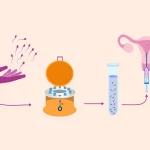
IUI stands for intrauterine insemination. It is a fertility treatment where specially prepared sperm is placed directly into the uterus around the time of ovulation.
The purpose of IUI is to increase the chances of fertilization by:
- Placing sperm closer to the egg
- Improving sperm movement toward the fallopian tubes
- Timing insemination with ovulation
Doctors often recommend IUI for couples dealing with mild male factor infertility, unexplained infertility, ovulation issues, or when using donor sperm.
While IUI improves timing and sperm placement, it does not control fertilization, implantation, or embryo development. This is why pregnancy cannot be guaranteed.
Does IUI Guarantee Pregnancy? The Simple Truth
IUI increases the chance of pregnancy, but it does not guarantee it. Pregnancy still depends on many natural biological factors and processes that cannot be fully controlled, even with medical help.
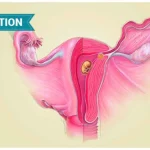
For pregnancy to occur after IUI, all of the following must happen:
- A healthy egg must be released
- Sperm must successfully fertilize the egg
- The embryo must travel to the uterus
- Implantation must occur in the uterine lining
If any one of these steps does not happen, pregnancy will not occur, even if the IUI procedure itself went perfectly.
IUI Success Rates by Age
Age plays a major role in IUI success. Egg quality naturally declines over time, which affects fertilization and implantation.
Below is a general overview of average IUI success rates per cycle:
| Age Range | Average Pregnancy Rate per IUI Cycle |
| Under 35 | 10 to 20 percent |
| 35 to 39 | 8 to 12 percent |
| 40 and over | 5 percent or lower |
These are averages. Some people conceive faster, while others may need multiple cycles.
Why IUI Does Not Guarantee Pregnancy
Even with ideal timing and good medical care, several factors affect whether IUI leads to pregnancy.
Egg Quality and Ovulation
A healthy egg is essential for fertilization. If egg quality is low or ovulation timing is off, pregnancy may not occur.
Sperm Health
Sperm count, motility, and shape all matter. Even washed and prepared sperm must still successfully fertilize the egg.
Fallopian Tube Function
At least one fallopian tube must be open and functioning for sperm and egg to meet.
Uterine Lining
The uterine lining must be healthy and thick enough to support implantation.
Hormonal Balance
Hormones such as progesterone play a key role in preparing the uterus for pregnancy.
Because all these factors must align, IUI cannot promise success in every cycle.
How Many IUI Cycles Are Usually Needed?
Many people do not get pregnant on their first IUI cycle. This does not mean the treatment has failed.
Doctors often recommend trying three to six IUI cycles before considering other options, depending on age and diagnosis.
Here is a general guideline:
| Number of IUI Cycles | What It Often Means |
| 1 to 2 cycles | Early attempts, learning how your body responds |
| 3 to 4 cycles | Peak chance for IUI success |
| 5 to 6 cycles | Time to reassess and consider next steps |
Your fertility specialist will help guide this decision based on your response to treatment.
Can Medications Improve IUI Success?
Yes. Many IUI cycles include fertility medications that stimulate ovulation or improve egg development.
Common medications include:
- Oral ovulation stimulants
- Injectable hormones
- Trigger shots to time ovulation
Medication can increase the chance of releasing one or more eggs, which may slightly improve success rates. However, even with medication, pregnancy is not guaranteed.
IUI vs Natural Conception: Is It Better?
IUI can improve your chances compared to natural conception when fertility challenges are present.
| Method | Average Monthly Pregnancy Chance |
| Natural conception under 35 | About 20 to 25 percent |
| IUI under 35 | About 10 to 20 percent per cycle |
IUI does not always outperform natural conception, but it offers structure, timing, and medical support that can help when natural methods are not working.
Emotional Expectations Around IUI
One of the hardest parts of IUI is emotional uncertainty. Many people feel hopeful during treatment and disappointed if pregnancy does not occur right away.
It is important to remember:
- A negative cycle does not mean failure
- Most people need more than one attempt
- Emotional ups and downs are normal
Support from your care team, partner, or a counselor can make the journey easier.
When IUI May Not Be the Best Option

IUI may not be recommended if:
- Both fallopian tubes are blocked
- Severe male factor infertility is present
- The egg reserve is very low
- Multiple IUI cycles have failed
In these cases, your doctor may discuss IVF or other treatment options.
Frequently Asked Questions About IUI Guarantees
Can IUI work on the first try?
Yes, some people do get pregnant on their first IUI, but many need multiple cycles.
Does a positive ovulation test guarantee IUI success?
No. Ovulation is only one part of the process.
Is IUI safer than IVF?
IUI is less invasive and costs less, but IVF has higher success rates per cycle.
Should I try IUI if I am over 40?
It depends on individual health factors. Your doctor will guide you.
Final Thoughts
So, does IUI guarantee pregnancy? No, it does not. But it can be an effective and valuable treatment for many people when used appropriately. IUI offers improved timing, medical support, and hope, but success depends on several biological factors.
Understanding the reality of IUI helps you approach treatment with clarity instead of unrealistic expectations. Every fertility journey is unique, and success often comes from patience, guidance, and the right care plan.
If you are considering IUI or want to understand whether it is right for you, The Bridge Clinic is here to help. Our experienced fertility specialists offer personalized IUI treatment plans designed around your unique needs.
To learn more about IUI treatment or to begin your fertility journey, contact us today. We are ready to guide you at every step of the way.
Follow us on our social media channels below:
Explore our related articles below: