

What Is the IUI Process? A Step-by-Step Breakdown for First-Timers
If you are exploring fertility treatment, you may be asking yourself, What is the IUI process and how does it actually work? IUI, or intrauterine insemination, is one of the most common and least invasive fertility treatments available today. For many individuals and couples, it is often the first medical step taken when pregnancy does not happen naturally.
This guide walks you through the IUI process step by step, explains what to expect before and after treatment, and helps you feel more confident as you begin your fertility journey.
What Is IUI?
IUI stands for intrauterine insemination. It is a fertility treatment where sperm is placed directly into the uterus around the time of ovulation. The goal is to bring the sperm closer to the egg, increasing the chances of fertilization.
In a natural cycle, sperm must travel through the cervix and uterus on their own. With IUI, this step is shortened, which can be helpful when timing or sperm movement is a concern.
IUI is very different from IVF. IVF involves fertilizing eggs outside the body and transferring embryos into the uterus. IUI is simpler, less expensive, and does not involve surgery.
Who Is the IUI Process Recommended For?
Doctors often recommend IUI for people facing specific fertility challenges. It is commonly used for individuals or couples with unexplained infertility, where no clear cause has been identified. It may also help when sperm motility is slightly lower than normal, or when ovulation timing needs support.
IUI is also a common option for single parents using donor sperm. In these cases, IUI provides a controlled and timed way to achieve pregnancy.
However, IUI is not ideal for everyone. Severe male factor infertility, blocked fallopian tubes, or advanced age may make other treatments more effective. A fertility specialist can help determine if IUI is the right option.
Preparing for the IUI Process
Initial Fertility Testing
Before starting IUI, your fertility clinic will run several tests. These may include blood tests to check hormone levels, ultrasounds to examine the ovaries and uterus, and a semen analysis to assess sperm count and movement.
These tests help your care team understand your fertility health and create the best treatment plan for you.
Ovulation Tracking or Fertility Medications?
Some people do IUI during a natural cycle, where ovulation is tracked using ultrasounds or ovulation predictor kits. Others use fertility medications to stimulate ovulation and increase the number of eggs released.
Your doctor will explain whether a natural or medicated cycle is best for you based on your diagnosis and goals.
Step-by-Step IUI Process
The IUI process can sound complicated at first, but it usually follows a clear and predictable routine. The main goal is simple: time ovulate correctly, prepare the sperm properly, and place it in the uterus at the best possible moment.
Below is a more detailed step-by-step breakdown so you know exactly what happens and why each step matters.
Step 1: Cycle Day 1 and Your First Check-In
The process starts on Day 1 of your period, which is considered the first day of your cycle. Most clinics will ask you to call or message them as soon as your period begins so they can schedule your early monitoring appointment.
This early check-in matters because it helps your care team confirm that your body is ready for treatment. It also helps them map out the right days for ultrasounds, bloodwork, and timing the insemination.
Step 2: Baseline Ultrasound and Blood Tests
Before ovulation tracking begins, you will often have a baseline appointment, usually within the first few days of your cycle.
What happens at a baseline visit
A transvaginal ultrasound checks:
- Whether your ovaries are “quiet” and not already releasing an egg too early
- Whether you have any cysts that could affect the cycle
- The thickness of your uterine lining at the start
Blood tests may check hormone levels like:
- Estrogen
- LH
- progesterone
These tests help your clinic decide whether to proceed as planned, adjust your medication, or delay the cycle if something i snot quite right.
Step 3: Ovulation Tracking and Follicle Monitoring
This is one of the most important parts of the IUI process.
Your clinic monitors your ovaries to track follicle growth. A follicle is a small fluid-filled sac that holds an egg. As ovulation gets closer, one follicle usually becomes the “leader” and grows larger.
How monitoring works
You may come in for one or more ultrasounds over several days. The clinic looks at:
- The size of the follicles
- How quickly they are growing
- The thickness and appearance of the uterine lining
Some clinics also do blood tests during this time to confirm hormone changes.
Why this step matters
Timing is everything with IUI. If the procedure happens too early or too late, the sperm may not meet the egg at the right moment.
Monitoring helps your clinic plan the insemination for the best window.
Step 4: Fertility Medications if You Are Using a Medicated Cycle
Some people do IUI in a natural cycle, but many use fertility medications to support ovulation. Your doctor will decide based on your diagnosis, age, and past cycle history.
Common reasons medication is used
- To help you ovulate if you do not ovulate regularly
- To increase the chance of releasing one or more mature eggs
- To improve timing and predictability
If medications are used, your clinic will tell you exactly when to take them and will monitor you more closely to reduce the risk of multiple eggs or overstimulation.
Step 5: Trigger Shot if Needed
In many medicated cycles, the clinic uses a trigger shot to help control timing.
A trigger shot tells your body to release the mature egg at a predictable time. Ovulation often happens about 24 to 36 hours after the shot, depending on the medication and the clinic’s protocol.
Why the trigger shot can help
- It makes timing more accurate
- It reduces guesswork
- It allows the clinic to schedule IUI at the best time
Your clinic will give you a clear plan for when to take the shot and when to return for the insemination.
Step 6: Sperm Collection on IUI Day
On the day of the procedure, sperm is collected from a partner or thawed from a donor sample.
If your partner is providing the sample, the clinic may give instructions like:
- Avoid ejaculation for 2 to 5 days beforehand, unless told otherwise
- Arrive early enough to allow time for processing
- Follow any collection guidelines carefully
This step is time-sensitive because sperm quality and timing affect how well the procedure works.
Step 7: Sperm Washing and Preparation
Once the sperm sample arrives at the lab, it goes through a process called sperm washing.
This does not mean rinsing the sperm with water. It is a lab technique that separates the healthiest moving sperm from:
- Semen fluid
- Dead sperm
- Debris and other cells
Why sperm washing matters
Unwashed semen can irritate the uterus and cause cramps. Washing also concentrates strong sperm, so more of the best ones reach the egg.
This step often takes about 30 minutes to an hour.
Step 8: The IUI Procedure Itself
The insemination is quick and usually takes only a few minutes.
Here is what typically happens:
- You lie on an exam table as you would for a routine pelvic exam
- A speculum is gently inserted so the cervix can be seen
- A thin, flexible catheter is placed through the cervix into the uterus
- The washed sperm is inserted into the uterus through the catheter
- The catheter is removed, and you rest briefly
Does it hurt?
Most people feel mild cramping or pressure. Some feel nothing at all. If you are nervous, you can take slow breaths and ask your provider to explain what they are doing step by step.
Step 9: Resting After the Procedure
After IUI, some clinics ask you to rest for 5 to 15 minutes before leaving. Others let you get up immediately.
You can usually go back to normal activities the same day. Most people go back to work, run errands, and continue life normally.
Your clinic may advise you to avoid heavy workouts that day, especially if you had ovulation medications and your ovaries feel sensitive.
Step 10: Luteal Phase Support and the Two-Week Wait
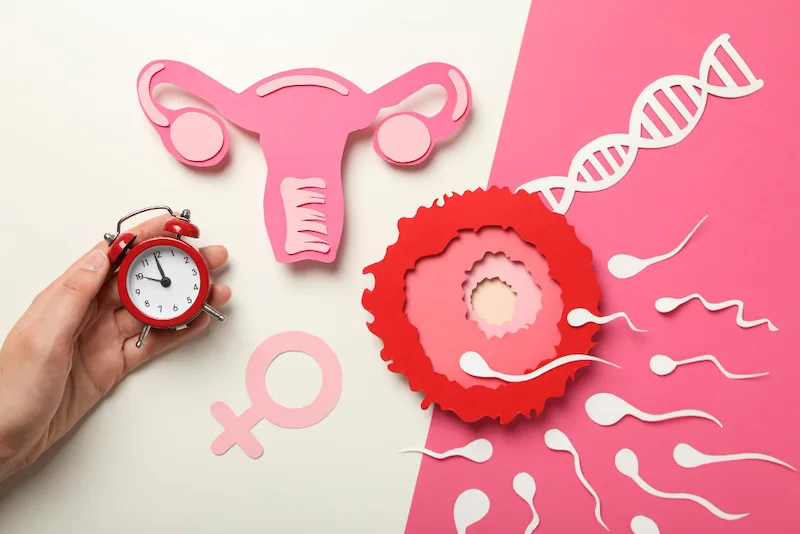
After IUI, you enter the two-week wait. This is the time between insemination and your pregnancy test.
Some patients are given progesterone support during this phase to help the uterine lining stay stable. If prescribed, you will be told when to start it and how to use it.
What to expect during the wait
It is normal to feel:
- Mild cramping
- Breast tenderness
- Mood changes
- Bloating
These symptoms can be from progesterone or normal cycle changes, so they do not always mean pregnancy or failure.
Your clinic will tell you the best day to test, usually around 14 days after the IUI.
What Happens After the IUI Procedure
The Two-Week Wait
After IUI, the two-week wait begins. This is the time between the procedure and when you can take a pregnancy test. It can be emotionally challenging, as symptoms may be unclear or caused by medications rather than pregnancy.
It is important to follow your clinic’s instructions and avoid testing too early.
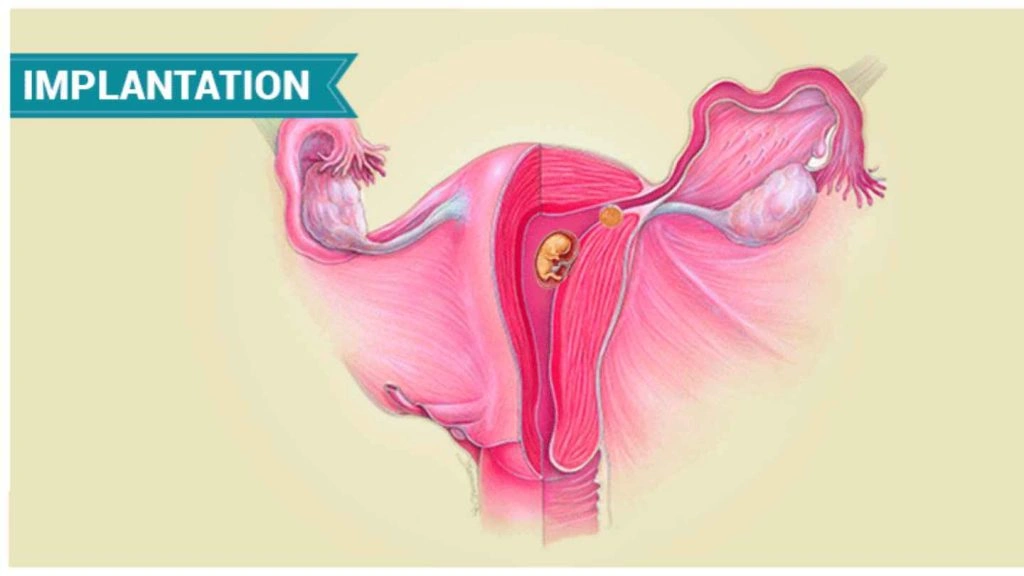
Implantation Timeline
If fertilization occurs, implantation usually happens about six to ten days after ovulation. During this time, some people notice mild symptoms like spotting or cramping, while others feel nothing at all.
Both experiences can be normal.
How Successful Is the IUI Process?
IUI success rates vary depending on age, diagnosis, and overall health. On average, success rates per cycle range from 10 to 20 percent. Younger individuals and those with unexplained infertility often have higher success rates.
Because success per cycle is modest, doctors usually recommend trying multiple cycles before moving to other treatments.
How Many IUI Cycles Are Usually Needed?
Many fertility specialists recommend three to six IUI cycles before considering other options like IVF. If pregnancy does not occur after several well-timed cycles, your care team may suggest adjusting medications or exploring advanced treatments.
Each fertility journey is unique, and your plan may change based on how your body responds.
Risks and Side Effects of IUI
IUI is considered very safe. Some people experience mild cramping, spotting, or bloating. Fertility medications may cause side effects like mood changes or headaches.
There is also a small risk of multiple pregnancies, especially when ovulation medications are used. Your clinic monitors this closely to keep treatment safe.
Emotional Side of the IUI Journey
Fertility treatment can be emotionally demanding. Hope, stress, excitement, and disappointment often happen all at once. It is normal to feel overwhelmed, especially during the waiting periods.
Having support from your partner, friends, or a counselor can make a big difference. Many clinics also offer emotional support resources.
Frequently Asked Questions About the IUI Process
Is IUI painful?
Most people describe it as uncomfortable but not painful.
How long does the full process take?
From the cycle start to pregnancy test, it usually takes about four weeks.
Can I work after IUI?
Yes, most people return to normal activities the same day.
When should I take a pregnancy test?
Your clinic will usually recommend testing about 14 days after IUI.
When to Contact Your Fertility Clinic
You should contact your clinic if you experience severe pain, heavy bleeding, or symptoms that concern you. Follow-up appointments are important to review results and plan next steps.
Final Thoughts on the IUI Process
Understanding what the IUI process involves can help ease anxiety and set realistic expectations. IUI is a gentle and effective first step for many people trying to conceive, offering a balance between natural conception and advanced fertility treatments.
Every journey looks different, and success often comes with patience and support.
Get Support From The Bridge Clinic
If you are considering IUI or want expert guidance through the process, The Bridge Clinic’s IUI Treatment Services are here to help. Our experienced team provides personalized care, clear communication, and compassionate support throughout your fertility journey. We are here to help you move forward with confidence and care. Contact us today!
Follow us on our social media channels below:
Explore our related articles below: