

When Should You Expect Your Period After IUI?
How many days after an IUI should I get my period? This is one of the most common questions people ask after undergoing intrauterine insemination. The waiting period after IUI can feel long and emotional, especially when you are closely watching your body for any sign of pregnancy or your period.
The truth is that there is a normal range for when your period may arrive after IUI. Some people get it right on time, others a little early or late. In this guide, we will explain what usually happens after IUI, what affects period timing, and when you should take a pregnancy test or contact your clinic.
Understanding the IUI Timeline

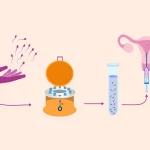
IUI is a fertility treatment where sperm is placed directly into the uterus around the time of ovulation. Once the procedure is done, fertilization may or may not occur. If fertilization happens, the embryo still needs time to travel and implant in the uterus.
After ovulation, your body enters what is called the luteal phase. This phase usually lasts about 12 to 14 days. If pregnancy does not occur, hormone levels drop, and your period begins. If pregnancy does occur, hormone levels stay high, and your period does not come.
How Many Days After an IUI Does a Period Usually Start?
For most people, a period starts 12 to 14 days after IUI. This timing is very similar to a natural menstrual cycle.
Some people may get their period as early as 10 days after IUI, while others may not get it until 16 days or later. This variation is normal and does not automatically mean success or failure.
Average Timeline After IUI
| Days After IUI | What May Be Happening |
| Days 1 to 5 | Fertilization may occur |
| Days 6 to 10 | Possible implantation |
| Days 12 to 14 | The period may start if not pregnant |
| Day 14 or later | Pregnancy testing window |
Period Timing After IUI With and Without Fertility Medications
Natural IUI Cycles
In a natural IUI cycle, ovulation happens on its own without medication. Your hormone levels follow your normal pattern, so your period often arrives on the same schedule as usual.
If your cycles are typically regular, you may see your period arrive around the same time it always does.
Medicated IUI Cycles
In medicated cycles, drugs such as Clomid, Letrozole, or trigger shots are used to stimulate or control ovulation. These medications can slightly change hormone timing.
Progesterone supplements, which are sometimes prescribed after IUI, can delay your period even if pregnancy has not occurred. This is why many clinics advise waiting for a blood pregnancy test before assuming results.
What If Your Period Comes Earlier Than Expected?
Getting your period earlier than 12 days after IUI can feel discouraging, but it does not always mean something went wrong. Early bleeding may happen due to hormonal shifts or a shorter luteal phase.
If bleeding is very light and short, it could also be implantation bleeding. If you are unsure, it is best to contact your fertility clinic before stopping any medications.
What If Your Period Is Late After IUI?
A late period after IUI can feel hopeful, but it does not always mean pregnancy. Fertility medications and progesterone support can delay bleeding.
If your period is more than two days late, your clinic will usually recommend a pregnancy test. A blood test is the most reliable way to confirm results.
Implantation Bleeding vs Period After IUI
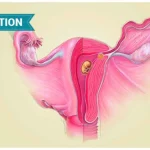
Implantation bleeding can happen when a fertilized egg attaches to the uterine lining. It usually occurs 6 to 10 days after IUI.
Key Differences
| Implantation Bleeding | Period |
| Light spotting | Moderate to heavy flow |
| Pink or brown color | Bright red |
| Lasts 1 to 2 days | Lasts several days |
| No clots | May include clots |
Not everyone experiences implantation bleeding, so not seeing it does not mean pregnancy did not occur.
When Should You Take a Pregnancy Test After IUI?
Most clinics recommend waiting 14 days after IUI before testing. Testing too early can give false results because pregnancy hormones may not be high enough yet.
Blood pregnancy tests are more accurate than home tests, especially after fertility treatments. Always follow your clinic’s instructions for testing.
Signs Your Period May Be Starting After IUI
Some people notice symptoms like cramping, bloating, or mood changes before their period. These symptoms can feel very similar to early pregnancy symptoms.
Because of this overlap, symptoms alone are not a reliable way to know if IUI worked. A test is the only way to be sure.
When Should You Call Your Fertility Clinic?
You should contact your clinic if:
- Your period is late and you have not tested
- You experience heavy bleeding or severe pain
- You are unsure whether to stop medications
- You need emotional support or reassurance
Your care team is there to guide you through every step.
How The Bridge Clinic Supports Patients During the Two-Week Wait

At The Bridge Clinic, we understand that the time after IUI can be stressful. Our team provides clear instructions, careful monitoring, and compassionate support so you never feel alone or confused about what comes next.
Whether your cycle results in pregnancy or not, we help you understand your options and plan your next steps with confidence.
Frequently Asked Questions About Periods After IUI
Can stress delay my period after IUI?
Stress can affect hormone levels, but medications and natural cycle variations are more common reasons for delays.
Does spotting always mean my IUI failed?
No. Light spotting can happen for many reasons, including implantation or hormonal changes.
Is it normal to feel pregnancy symptoms but still get a period?
Yes. Hormones after ovulation can cause symptoms even if pregnancy does not occur.
Should I stop progesterone if I start bleeding?
Do not stop medications without checking with your clinic first.
Final Thoughts
Waiting to see if your period will start after IUI can be emotionally challenging. Most people will get their period about 12 to 14 days after the procedure, but small differences are normal.
Try to avoid reading too much into early symptoms or timing changes. The best next step is always to follow your clinic’s guidance and take a pregnancy test at the right time.
Get Support From The Bridge Clinic
If you are going through IUI and have questions about your cycle, timing, or next steps, The Bridge Clinic is here to help. Get in touch with us; our experienced team provides personalized IUI services and clear guidance every step of the way.
You do not have to navigate this journey alone.
Follow us on our social media channels below:
Explore our related articles below: