

What’s Considered Good Sperm Motility for IUI to Work?
When couples begin fertility treatment, one of the most common questions they ask is: What Is Good Sperm Motility for IUI? This is an important question because sperm motility plays a major role in whether intrauterine insemination, also known as IUI, has a good chance of success.
If you have been told that sperm motility is low or borderline, it can feel stressful. The good news is that IUI is designed specifically to help overcome mild sperm issues. Understanding how motility works, what doctors look for, and what numbers really matter can help you feel more confident and informed as you move forward.
This guide explains sperm motility in simple terms, shows what is considered good for IUI, and helps you understand how fertility clinics evaluate and improve sperm quality before treatment.
What Is Sperm Motility?

Sperm motility refers to how well sperm move. Movement is important because sperm need to swim through the female reproductive system to reach and fertilize the egg.
Not all sperm move the same way. Some swim strongly in a straight line, some move slowly or in circles, and some do not move at all. For pregnancy to happen, sperm must be able to move forward with enough strength and direction.
In fertility testing, motility is measured as a percentage. This percentage shows how many sperm in a sample are moving compared to the total number present.
Types of Sperm Motility
Doctors usually divide sperm motility into three main categories.
Progressive Motility
This refers to sperm that move forward in a straight line or large circles. These sperm have the best chance of reaching the egg. Progressive motility is the most important type for IUI success.
Non-Progressive Motility
These sperm move but do not travel forward effectively. They may move in tight circles or wobble in place. While they are alive, they are less likely to fertilize an egg.
Immotile Sperm
These sperm do not move at all. Immotile sperm do not contribute to fertilization.
When doctors talk about good sperm motility for IUI, they are mainly focused on progressive motility.
Why Sperm Motility Is Important for IUI
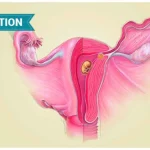
IUI places sperm directly into the uterus, which shortens the distance sperm need to travel. This helps bypass the cervix and improves the chances of sperm reaching the fallopian tubes.
However, even with this help, sperm still need to swim. After insemination, sperm must travel from the uterus into the fallopian tube, where fertilization happens. This is why motility still matters with IUI.
Strong motility increases the chance that sperm arrive at the right place at the right time.
What Is Considered Good Sperm Motility for IUI?
There is no single number that guarantees success, but fertility clinics use general guidelines to decide whether IUI is a good option.
Before sperm washing, doctors often look for:
- Total motility above 40 percent
- Progressive motility above 30 percent
After sperm washing, which is done right before IUI, motility often improves significantly. This is because the process removes weak, damaged, or non-moving sperm and concentrates the healthiest ones.
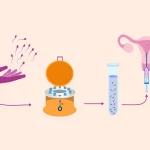
Sperm washing is a laboratory technique used to prepare a semen sample for fertility treatments like Intrauterine Insemination (IUI) or In Vitro Fertilization (IVF). The process involves separating the most active, healthy sperm from the seminal fluid, which contains chemicals, bacteria, and dead cells that can interfere with fertilization or cause painful uterine contractions.
Think of it as “refining” the sample to ensure only the highest-quality swimmers reach the egg.
Ideal Sperm Motility Levels for IUI
The table below shows common benchmarks clinics use when evaluating sperm motility for IUI.
| Measurement | Considered Acceptable for IUI | Considered Ideal for IUI |
| Total Motility Before Wash | 40 percent or higher | 50 percent or higher |
| Progressive Motility Before Wash | 30 percent or higher | 40 percent or higher |
| Motility After Wash | 70 percent or higher | 80 percent or higher |
| Total Motile Sperm Count After Wash | Above 5 million | Above 10 million |
It is important to remember that these are general guidelines. Many people conceive with numbers slightly below these ranges.
Total Motile Sperm Count and IUI Success
Doctors do not look at motility alone. They also consider the total motile sperm count. This number combines sperm count and motility into one measurement.
Total motile sperm count shows how many moving sperm are actually available to fertilize an egg.
Most clinics consider IUI when the post-wash total motile sperm count is above 5 million. Higher numbers are associated with better success rates, but lower numbers do not automatically rule out IUI.
Can IUI Work With Low Sperm Motility?
Yes, IUI can still work with mild to moderate sperm motility issues. Sperm washing plays a major role in this.
The washing process:
- Removes immotile sperm
- Concentrates progressive sperm
- Improves overall motility percentage
Doctors may recommend multiple IUI cycles because success rates improve over time. If motility is very low, other treatments may be discussed, but many couples succeed with IUI even when motility is not perfect.
Factors That Affect Sperm Motility
Lifestyle Factors
Smoking, excessive alcohol use, drug use, poor diet, dehydration, and exposure to heat can all lower sperm motility. Tight clothing and frequent hot tubs can also affect sperm movement.
Medical Factors
Hormonal imbalances, infections, inflammation, varicocele, and chronic health conditions may impact motility. These issues can sometimes be treated or managed to improve sperm quality.
Ways to Improve Sperm Motility Before IUI
Improving sperm motility takes time, usually around three months, because that is how long sperm take to develop.
Doctors may suggest:
- Improving diet and hydration
- Reducing alcohol and stopping smoking
- Managing stress
- Taking fertility supplements if recommended
- Following proper abstinence timing before testing or IUI
Even small improvements can make a difference.
How Doctors Evaluate Sperm Motility for IUI
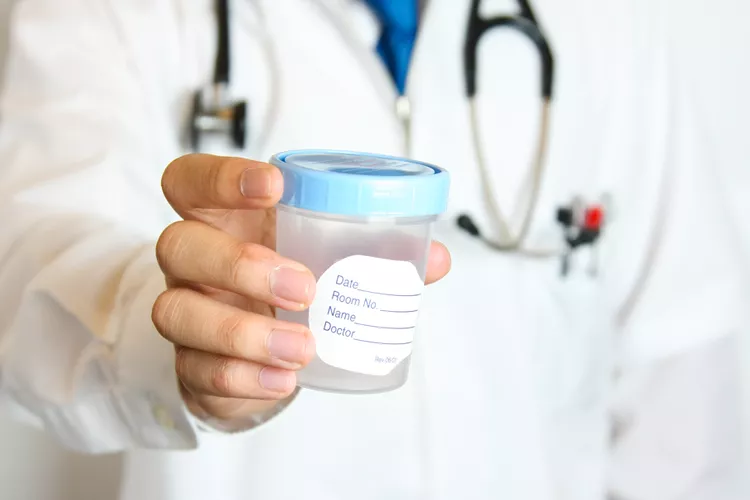
Evaluation starts with a semen analysis. This test measures count, motility, and shape.
Before IUI, sperm washing is performed to prepare the healthiest sperm. Fertility specialists then evaluate the post-wash sample to decide if IUI should proceed.
One test does not define fertility. Doctors look at trends and overall health, not just one result.
How The Bridge Clinic Supports IUI Success
At The Bridge Clinic, sperm analysis and preparation are handled with care and precision. Each IUI cycle is planned based on individual needs, not one-size-fits-all numbers.
The clinic focuses on:
- Detailed semen evaluation
- Advanced sperm washing techniques
- Personalized treatment planning
- Support for both partners throughout the process
Final Thoughts
Sperm motility is an important part of IUI success, but it is not the only factor. Many couples achieve pregnancy with motility that is not perfect. What matters most is proper evaluation, preparation, and guidance from experienced fertility specialists.
Understanding your results can help you feel more confident and less overwhelmed as you move forward.
If you are considering IUI or have questions about sperm motility, The Bridge Clinic is here to help. Our team provides expert IUI services with personalized care and clear guidance at every step. To learn more or begin your treatment, contact us today. We are ready to support you on your fertility journey.
Follow us on our social media channels below:
Explore our related articles below: