

How Long After IUI Can You Expect to Get Pregnant?
If you are considering or already going through intrauterine insemination, one of the most common questions people ask is: How long does it take to get pregnant with IUI? It is a natural question, especially when you are feeling hopeful, anxious, and eager for results.
IUI is often chosen because it is less invasive and more affordable than other fertility treatments. Still, the waiting period after the procedure can feel long and emotionally challenging. Understanding the timeline helps set realistic expectations and can make the process feel less stressful.
This guide explains exactly what happens after IUI, how long pregnancy usually takes, and what factors can affect your chances. By the end of this article, you will have a clearer picture of what to expect and when.
What Is IUI and How Does It Work?

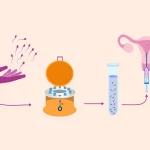
IUI, or intrauterine insemination, is a fertility treatment where specially prepared sperm is placed directly into the uterus around the time of ovulation. This shortens the distance sperm must travel to reach the egg and increases the chance of fertilization.
IUI may be recommended for people with ovulation problems, unexplained infertility, mild male factor infertility, or for single parents and same sex couples using donor sperm. It can be done with or without fertility medications, depending on your specific situation.
Although the procedure itself only takes a few minutes, pregnancy does not happen instantly. There are several biological steps that must occur before you can get a positive test.
The IUI Timeline From Procedure to Pregnancy
Understanding the timeline after IUI can help you avoid unnecessary worry during the waiting period.
Ovulation and Fertilization
IUI is carefully timed to coincide with ovulation. Ovulation usually happens within 24 to 36 hours after a trigger shot or naturally during your fertile window.
Sperm can live inside the reproductive tract for up to five days. Fertilization typically occurs within 12 to 24 hours after ovulation if a healthy sperm meets a mature egg.
Implantation Timeline
After fertilization, the embryo begins traveling down the fallopian tube toward the uterus. This journey usually takes several days.
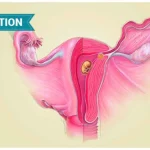
Implantation, when the embryo attaches to the uterine lining, generally happens about 6 to 10 days after IUI. This step is essential for pregnancy to continue.
Hormonal Changes After IUI
Once implantation occurs, the body begins to produce human chorionic gonadotropin, or hCG. This hormone is what pregnancy tests detect.
It takes a few more days for hCG levels to rise enough to show up on a test, which is why patience is so important during this phase.
When Can You Take a Pregnancy Test After IUI?
Most fertility specialists recommend waiting 12 to 14 days after IUI before taking a pregnancy test. Testing too early can lead to false negative results because hCG levels may still be too low.
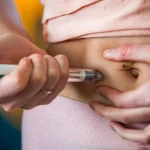
If you had a trigger shot, testing too soon can also cause a false positive, since the medication contains hCG. Blood tests performed at a clinic are more accurate than home tests and can detect pregnancy earlier.
The two-week wait can feel difficult, but waiting the full recommended time gives the most reliable result.
How Many IUI Cycles Does It Usually Take to Get Pregnant?
It is important to know that pregnancy often does not happen on the first IUI cycle. Many people need multiple attempts.
On average, fertility specialists recommend trying three to six IUI cycles before considering other treatments, depending on your age and diagnosis.
Success Rates Per Cycle
IUI success rates vary, but general estimates are:
- Under age 35: about 10 to 20 percent per cycle
- Ages 35 to 40: about 8 to 12 percent per cycle
- Over age 40: about 3 to 5 percent per cycle
While one cycle may not be successful on its own, your chances increase with multiple cycles.
Factors That Affect How Long It Takes to Get Pregnant With IUI
Every fertility journey is unique. Several factors influence how quickly a pregnancy may happen.
Age and Egg Quality
Age plays a major role in fertility. As age increases, egg quality and quantity naturally decline, which can affect IUI success.
Cause of Infertility
IUI works best for certain conditions, such as ovulation disorders or unexplained infertility. More complex issues may require different treatments.
Use of Fertility Medications
Medicated IUI cycles often have higher success rates than natural cycles because medications help produce one or more mature eggs.
Timing and Monitoring
Accurate timing is critical. Ultrasounds and hormone testing help ensure IUI is done at the best possible moment.
Signs You Might Be Pregnant After IUI
Some people notice symptoms like mild cramping, breast tenderness, fatigue, or light spotting. However, these symptoms can also be caused by progesterone or normal cycle changes.
The only way to confirm pregnancy is through a blood or urine test, so symptoms alone should not be relied on.
What If IUI Doesn’t Work Right Away?

If pregnancy does not occur right away, it does not mean IUI has failed permanently. Many successful pregnancies happen after several cycles.
When to Consider Adjusting the Treatment Plan
Your doctor may suggest adjusting medication, additional testing, or exploring other options such as IVF if multiple cycles are unsuccessful.
The goal is always to find the approach that offers the best chance of success for you.
How The Bridge Clinic Supports Your IUI Journey
At The Bridge Clinic, every IUI plan is tailored to the individual. Our team closely monitors ovulation, adjusts treatment as needed, and provides clear guidance at every step.
We understand that the waiting period can be emotional, and we focus on providing both medical expertise and compassionate support throughout your journey.
Frequently Asked Questions About IUI Timing
Can I get pregnant immediately after IUI?
Fertilization can happen quickly, but implantation and hormone changes take time.
Is cramping after IUI normal?
Yes, mild cramping can be normal and does not predict success or failure.
Does bed rest after IUI help?
There is no strong evidence that bed rest improves success. Normal activities are usually fine.
Final Thoughts
So, how long does it take to get pregnant with IUI? For most people, fertilization happens within a day, implantation occurs about a week later, and pregnancy can be confirmed around two weeks after the procedure.
While the waiting period can be challenging, understanding the process helps you manage your expectations. Each cycle provides valuable information and brings you closer to the right path forward.
If you are considering IUI or are already on your fertility journey, The Bridge Clinic is here to support you. To learn more about our IUI services or to discuss your options, get in touch with us today. Our team is ready to guide you with care, clarity, and expertise at every step of the way.
Follow us on our social media channels below:
Explore our related articles below:
- IVF and IUI Which Is Better
- What to Expect After Artificial Insemination
- When Does Conception Occur After IUI
- What Is Good Sperm Motility for IUI
- How Many Days After IUI Should I Get My Period
- How to Calculate Pregnancy Weeks After IUI
- What If I Ovulate Before IUI
- When to Do IUI After Trigger Shot
- IUI After 10 Days What Symptoms
- When Does Implantation Occur After IUI
- What Is IUI Process
- Does IUI Guarantee Pregnancy